Skip to content

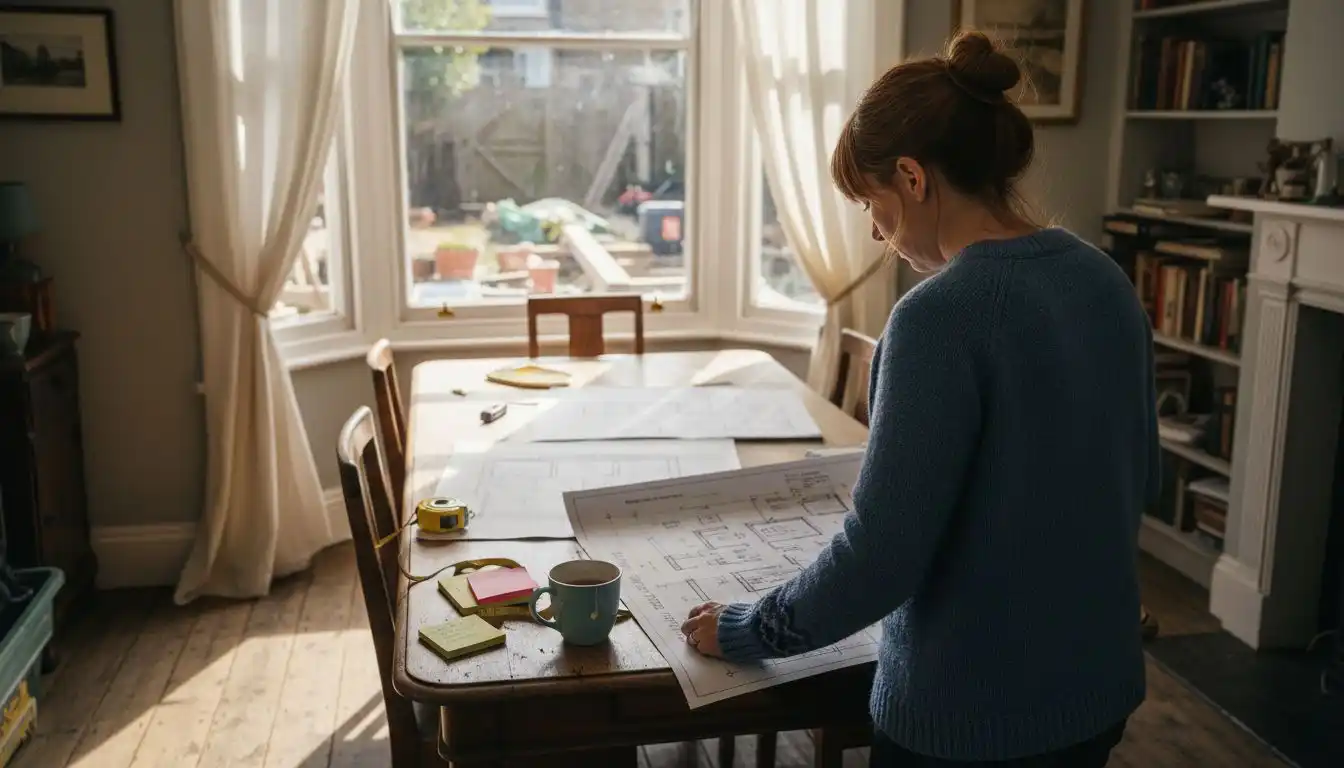
Planning a home extension often feels complex and expensive for British homeowners, especially when faced with steep architect fees and complicated application procedures. The importance of accurate technical drawings goes beyond design, providing legally required proof that your project complies with UK Building Regulations before you build. This overview breaks down how remote architectural services can help you access high-quality, affordable drawings and simplify every stage of your home extension.
Table of Contents
- Technical Drawings Explained For Homeowners
- Key Types: Planning And Building Control
- What Technical Drawings Include And Show
- Legal Role In Uk Extension Planning
- Costs, Savings, And Common Pitfalls
Key Takeaways
| Point | Details |
|---|---|
| Importance of Technical Drawings | Technical drawings are essential blueprints that ensure compliance and guide the construction process for home extensions. |
| Planning vs. Building Control | Distinguishing between planning drawings and building control drawings is crucial for securing permissions and ensuring safety. |
| Financial Implications | Investing in professional technical drawings can prevent costly errors and save homeowners money in the long run. |
| Legal Compliance | These drawings serve as legally binding documents that demonstrate adherence to building regulations, reducing the risk of enforcement actions. |
Technical Drawings Explained for Homeowners
Technical drawings represent the critical blueprint for transforming your home extension dreams into tangible reality. These precise architectural documents serve as the comprehensive roadmap that guides builders, planners, and local authorities through every intricate detail of your proposed renovation project. Understanding the role of extension drawings is fundamental to ensuring a smooth, successful home improvement journey.
At their core, technical drawings provide a meticulous visual representation of your proposed home extension, capturing essential elements such as:
- Precise measurements and spatial dimensions
- Structural design specifications
- Material requirements
- Elevation and floor plan details
- Compliance with local building regulations
These drawings are far more than simple sketches. They function as legally recognised documents that communicate your architectural vision with absolute clarity. Local councils and building control departments rely on these technical drawings to assess whether your proposed extension meets safety standards, planning requirements, and structural integrity guidelines.
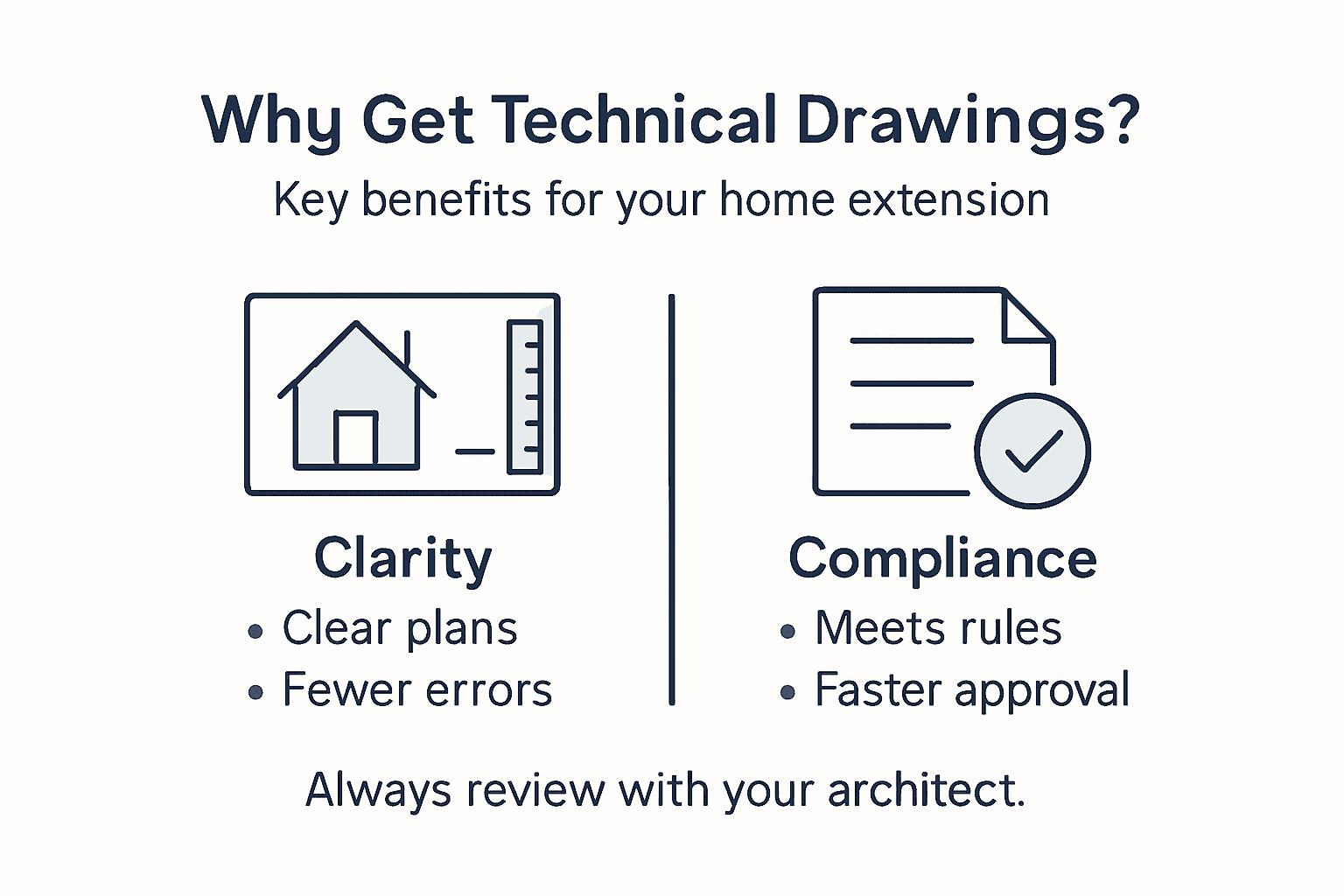
For homeowners, technical drawings offer multiple critical advantages beyond regulatory compliance. They provide a clear preview of the final project, helping you visualise spatial configurations, understand potential design challenges, and make informed decisions before any construction begins. By investing in professional technical drawings, you effectively minimise costly design mistakes and reduce the likelihood of unexpected complications during the building process.
Pro tip: Request a comprehensive review of your technical drawings from an independent architectural consultant to identify potential design improvements or regulatory compliance issues before submission.
Key Types: Planning and Building Control
Understanding the distinction between planning drawings and building control drawings is crucial for successfully navigating home extension projects in the UK. These two types of technical drawings serve different but equally important purposes in the home improvement process. Navigating UK extension planning drawings requires a comprehensive understanding of their specific requirements and functions.
Planning drawings focus on the external appearance, design, and potential impact of your proposed extension. They are essential for obtaining planning permission from local authorities and typically include:
- Site location plans
- Proposed elevation drawings
- Architectural design renderings
- Landscape and context illustrations
- Detailed site measurements
Building control drawings, in contrast, dive deeper into the technical specifications and structural integrity of the proposed extension. These drawings are critical for demonstrating compliance with UK Building Regulations. They provide a comprehensive breakdown of:
- Structural calculations
- Detailed construction methods
- Insulation specifications
- Ventilation requirements
- Material specifications
- Compliance with safety standards
The primary difference lies in their purpose and scope. Planning drawings aim to secure permission and showcase design aesthetics, while building control drawings ensure the technical feasibility and safety of the construction project. Local authorities use these documents to assess whether your proposed extension meets all necessary legal and structural requirements.

Here’s a concise comparison of planning drawings and building control drawings, clarifying their distinct roles for UK homeowners:
| Aspect | Planning Drawings | Building Control Drawings |
|---|---|---|
| Main Focus | External design & appearance | Structural safety & compliance |
| Used For | Securing planning permission | Meeting building regulations |
| Key Authority | Local planning department | Building control officers |
| Common Content | Site plans, elevations | Structural details, calculations |
| Impact on Project | Influences approval & aesthetics | Ensures build quality & safety |
Both planning and building control drawings are mandatory for most home extension projects, serving as the critical documentation that transforms your architectural vision into a legally compliant reality.
Pro tip: Engage a professional architectural service that can prepare both planning and building control drawings simultaneously to streamline your home extension approval process.
What Technical Drawings Include and Show
Technical drawings are comprehensive visual representations that transform your home extension vision into precise, actionable documentation. Technical drawings for UK home extensions encompass an intricate collection of details that communicate every aspect of your proposed project to builders, planners, and regulatory authorities.
These detailed documents typically include several critical visual and dimensional components:
- Precise floor plans showing exact room layouts
- Accurate scaled elevation drawings
- Cross-sectional views demonstrating structural elements
- Detailed foundation and roof design specifications
- Precise measurements of proposed extension spaces
- Window and door placement configurations
- Material specification details
- Structural load-bearing calculations
Beyond mere technical specifications, these drawings serve multiple crucial functions. They act as a visual communication tool that bridges the gap between your architectural concept and its practical implementation. Professional technical drawings provide a clear, unambiguous representation of your proposed extension, allowing everyone involved in the project to understand the exact design intent.
The level of detail in technical drawings goes far beyond simple sketches. They include critical technical annotations that specify:
- Exact material types and grades
- Structural reinforcement requirements
- Thermal insulation specifications
- Electrical and plumbing layout details
- Drainage and ventilation considerations
- Compliance with building regulations
Technical drawings are the architectural language that translates your home extension dreams into a structured, legally compliant blueprint for construction.
Pro tip: Request digital copies of your technical drawings in multiple formats to ensure compatibility with different professionals involved in your home extension project.
Legal Role in UK Extension Planning
Technical drawings play a pivotal legal role in the home extension process, serving as the critical documentation that demonstrates compliance with complex UK building regulations. Planning application process for UK homeowners requires precise technical documentation that meets stringent legal standards set by local authorities.
The legal implications of these drawings are substantial and multifaceted:
- Formal proof of regulatory compliance
- Legal documentation for planning permission
- Evidence of adherence to building standards
- Protection against potential enforcement actions
- Detailed record of proposed structural modifications
- Verification of safety and structural integrity
- Demonstration of energy efficiency standards
Local authorities use these technical drawings as the primary mechanism for assessing whether a proposed home extension meets all statutory requirements. Building regulations in the UK are comprehensive, covering multiple aspects of construction including:
- Structural safety
- Fire protection standards
- Thermal performance
- Accessibility requirements
- Electrical and plumbing specifications
- Environmental impact considerations
The legal framework surrounding home extensions is intricate and uncompromising. Technical drawings serve as the official record that transforms your architectural vision into a legally defensible document. They provide explicit evidence that your proposed extension complies with national and local planning guidelines, reducing the risk of future legal challenges or enforcement actions.
Technical drawings are not merely design documents, but legally binding representations that bridge your architectural aspirations with rigorous regulatory standards.
Pro tip: Engage a professional architectural service experienced in navigating UK planning regulations to ensure your technical drawings comprehensively address all legal requirements.
Costs, Savings, and Common Pitfalls
Understanding the financial landscape of technical drawings is crucial for homeowners planning extensions. Building regulations drawing costs involve more than just upfront expenses, representing a strategic investment in your property’s future.
Typical cost considerations for technical drawings include:
- Initial design consultation fees
- Architectural survey expenses
- Professional drawing preparation
- Potential revision costs
- Submission and approval documentation
- Structural engineer assessments
- Digital rendering and printing
The financial implications of technical drawings extend far beyond their initial cost. Professionally prepared drawings can prevent expensive construction mistakes, potentially saving homeowners thousands of pounds in potential rework, legal challenges, and regulatory penalties.
Below is a summary of typical technical drawing costs and how investing wisely can deliver long-term savings:
| Cost Element | Typical Range | How It Saves Money |
|---|---|---|
| Design Consultation | £200–£750 | Prevents poor planning |
| Drawing Preparation | £500–£2,000 | Reduces building errors |
| Structural Engineer Fees | £300–£1,200 | Avoids regulatory fines |
| Revision Charges | £100–£500 per round | Limits rework expenses |
Common pitfalls that can dramatically increase project expenses include:
- Incomplete or inaccurate technical documentation
- Misunderstanding local planning requirements
- Failing to account for structural complexities
- Underestimating material specification details
- Overlooking energy efficiency standards
- Delayed submission of planning applications
- Inadequate communication with local authorities
Investing in high-quality technical drawings is not an expense, but a strategic financial safeguard that can save significant money throughout your home extension project.
Pro tip: Request a comprehensive quote that includes potential revision costs and clarifies the full scope of technical drawing services to avoid unexpected financial surprises.
Simplify Your Home Extension Journey with Expert Technical Drawings
When planning a home extension, the challenges of obtaining accurate technical drawings that meet both planning permission and building control requirements can feel overwhelming. Precise documentation is essential to avoid costly delays and legal issues while ensuring your vision becomes a safe and compliant reality. Understanding the importance of detailed architectural plans and their legal role is the first step. At Plan My Extension, we specialise in easing this complexity by providing fixed-price, remote architectural drawing services tailored specifically for UK homeowners.

Take control of your project today by using our streamlined online platform to order professional technical designs including planning and building control drawings. Our expert team ensures your drawings meet all current regulations, helping you to avoid common pitfalls such as incomplete documentation or structural mistakes. With fast turnaround times and affordable fixed fees, you can confidently move forward knowing that your home extension plans comply fully with UK building standards. Start your hassle-free extension planning with us now and transform your architectural dreams into a legally sound blueprint ready for construction.
Frequently Asked Questions
Why are technical drawings important for home extensions?
Technical drawings are essential as they provide a precise blueprint that details the design, materials, and structural requirements of your home extension. They ensure compliance with local regulations and help prevent costly mistakes during construction.
What are the main types of technical drawings for home extensions?
The two primary types are planning drawings and building control drawings. Planning drawings focus on the design and aesthetics needed for planning permission, while building control drawings address structural safety and compliance with building regulations.
How can technical drawings save me money during a home extension project?
Investing in high-quality technical drawings can prevent costly construction errors, regulatory fines, and rework. By providing clear documentation, they help ensure that the project runs smoothly from the outset, saving you money in the long run.
What common mistakes can occur without proper technical drawings?
Common pitfalls include incomplete documentation, misinterpretation of planning requirements, overlooking structural complexities, and underestimating material specifications. Such errors can lead to project delays and increased costs.