Skip to content


Most british homeowners underestimate how vital technical drawings are when planning property extensions. With more than 60 percent of UK building projects facing delays due to unclear specifications, the lack of accurate drawings can quickly turn a dream extension into a costly headache. Understanding what these documents include and why they matter is key for anyone seeking planning permission or wanting builders to deliver precise results. Discover how clear, detailed technical drawings can safeguard your investment and make extensions smoother from start to finish.
Table of Contents
- What Are Technical Drawings in Home Extensions
- Types of Technical Drawings Required
- Key Features and How Drawings Function
- Planning Permission and Building Control Standards
- Common Mistakes When Preparing Drawings
Key Takeaways
| Point | Details |
|---|---|
| Importance of Technical Drawings | Technical drawings are essential for accurately communicating design intentions and ensuring compliance with building regulations. |
| Types of Drawings Required | A range of technical drawings, including site plans and floor plans, are necessary to capture all aspects of a home extension project. |
| Regulatory Compliance | Understanding permitted development rights and building regulations is crucial for avoiding legal issues and ensuring project feasibility. |
| Avoiding Common Mistakes | Careful attention to detail and multiple perspective views in drawings are vital to prevent costly errors during construction. |
What Are Technical Drawings in Home Extensions
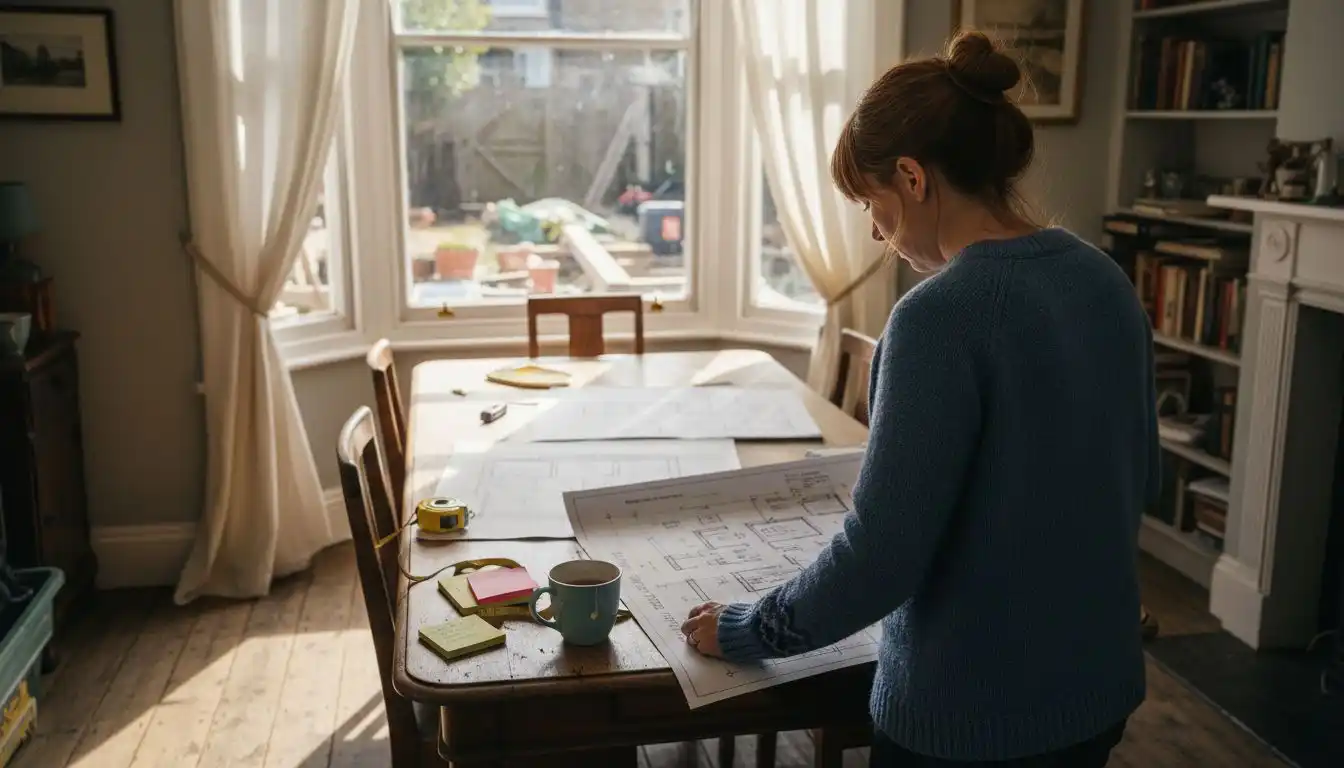
Technical drawings are precise graphical representations that serve as the critical communication blueprint for home extension projects. These sophisticated documents translate architectural vision into actionable construction guidance, providing builders, planners, and local authorities with comprehensive visual instructions about proposed structural modifications. Engineering drawings meticulously capture every structural detail, dimension, and specification required to transform design concepts into real-world building work.
Typically, technical drawings for home extensions include multiple view types that reveal different perspectives of the proposed construction. These might encompass orthographic projections showing front, side, and top views, isometric illustrations providing three-dimensional representations, and detailed cross-sectional diagrams explaining precise structural interactions. Such construction drawings coordinate every aspect of the extension, from foundational requirements to roofing specifications, ensuring precision across every stage of the building process.
Professional technical drawings go far beyond simple sketches. They incorporate critical information like materials specifications, exact measurements, structural load calculations, and compliance requirements with local building regulations. These documents become legally binding instructions that builders must follow, serving as the authoritative reference point for construction teams, planning departments, and building control officers throughout the home extension project.
Pro tip: Always request a comprehensive set of technical drawings that include multiple view types and detailed annotations to minimise potential misunderstandings during your home extension project.
Types of Technical Drawings Required
Home extension projects require multiple specialised technical drawing types to effectively communicate design intentions and meet regulatory requirements. Building regulations mandate several critical drawing categories that provide comprehensive information about the proposed construction, each serving a unique purpose in the planning and approval process.
The primary technical drawing types include site plans, which outline the property boundaries and proposed extension location, floor plans detailing interior layout and spatial arrangements, elevation drawings showing external appearances and architectural aesthetics, and cross-sectional drawings revealing internal structural details. These documents must precisely illustrate dimensions, materials, structural elements, and how the proposed extension integrates with the existing building. Electrical, plumbing, and mechanical system representations are often incorporated to provide a holistic view of the project’s technical specifications.
Additionally, technical drawings must adhere to specific drafting standards that ensure clarity and professional presentation. This includes standardised layer naming conventions, consistent line types, appropriate text formats, accurate dimensioning, and comprehensive title blocks. Professional architects and designers use computer-aided design (CAD) software to create these intricate drawings, ensuring precision, scalability, and easy modification throughout the design development process.
Here is a summary of the main technical drawings used in home extension projects and their specific functions:
| Drawing Type | Main Purpose | Typical Content |
|---|---|---|
| Site Plan | Define extension location | Boundaries, orientation |
| Floor Plan | Show internal layout | Room sizes, partition walls |
| Elevation Drawing | Illustrate external appearance | Windows, doors, materials |
| Cross-Section | Reveal structural details | Foundations, connections |
| System Representation | Specify building systems | Electrical, plumbing layout |
Pro tip: Request digital copies of your technical drawings in multiple file formats to ensure compatibility with different planning authorities and construction professionals.
Key Features and How Drawings Function
Technical drawings play a crucial role in home extension projects by providing a comprehensive visual communication tool that bridges design conception and actual construction. Formal drawing standards ensure these documents function as legally binding references that meticulously detail every aspect of the proposed extension, protecting both the homeowner’s vision and the contractor’s understanding of project specifications.
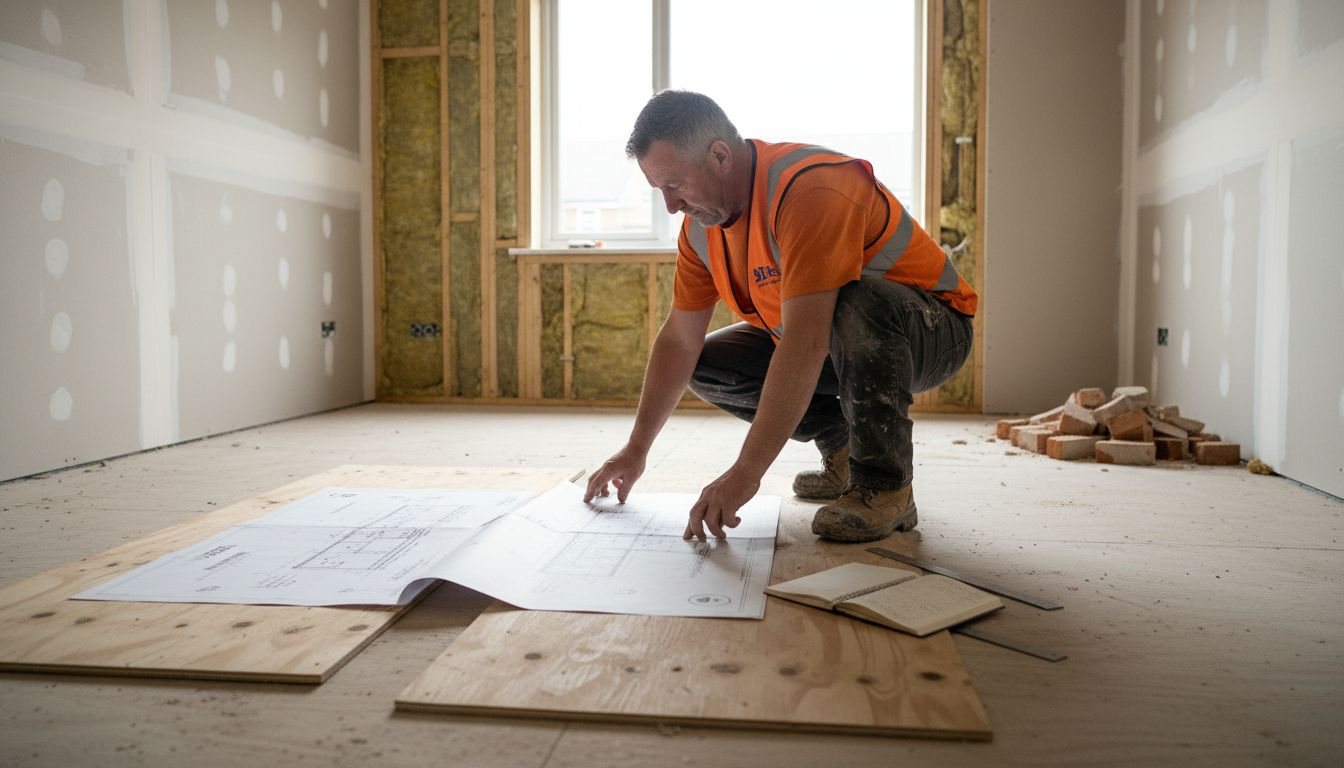
The key features of technical drawings include precise dimensional accuracy, clear material specifications, and a holistic representation of how the proposed extension integrates with the existing property. These documents must capture intricate details such as structural connections, load-bearing elements, and spatial relationships. Government guidance emphasises the importance of representing not just the immediate construction area but also how the extension harmonises with the surrounding architectural environment, ensuring aesthetic and structural cohesion.
Beyond their visual representation, technical drawings function as critical communication tools throughout the entire construction process. They serve multiple purposes: obtaining planning permissions, guiding builders during construction, facilitating inspections, and providing a reference point for potential future modifications. Professional drawings effectively translate complex architectural concepts into actionable instructions, minimising misunderstandings and reducing the potential for costly errors or rework during the home extension project.
Pro tip: Request a comprehensive review of your technical drawings with your architect, carefully examining every detail to ensure complete alignment between your vision and the proposed design.
Planning Permission and Building Control Standards
Home extensions in the United Kingdom navigate a complex landscape of regulatory requirements, with two critical components determining project feasibility: permitted development rights and building control standards. These regulations establish clear guidelines about what homeowners can construct without formal planning permission and the essential safety and structural requirements that must be met during any home improvement project.
Understanding permitted development rights is crucial for homeowners considering an extension. These rights allow certain types of home improvements without requiring full planning permission, provided specific criteria are met. Key limitations typically involve maximum height restrictions, proximity to property boundaries, and the total area of the proposed extension. However, these rights are not universal and can vary significantly depending on local authority regulations, property location, and existing architectural characteristics.
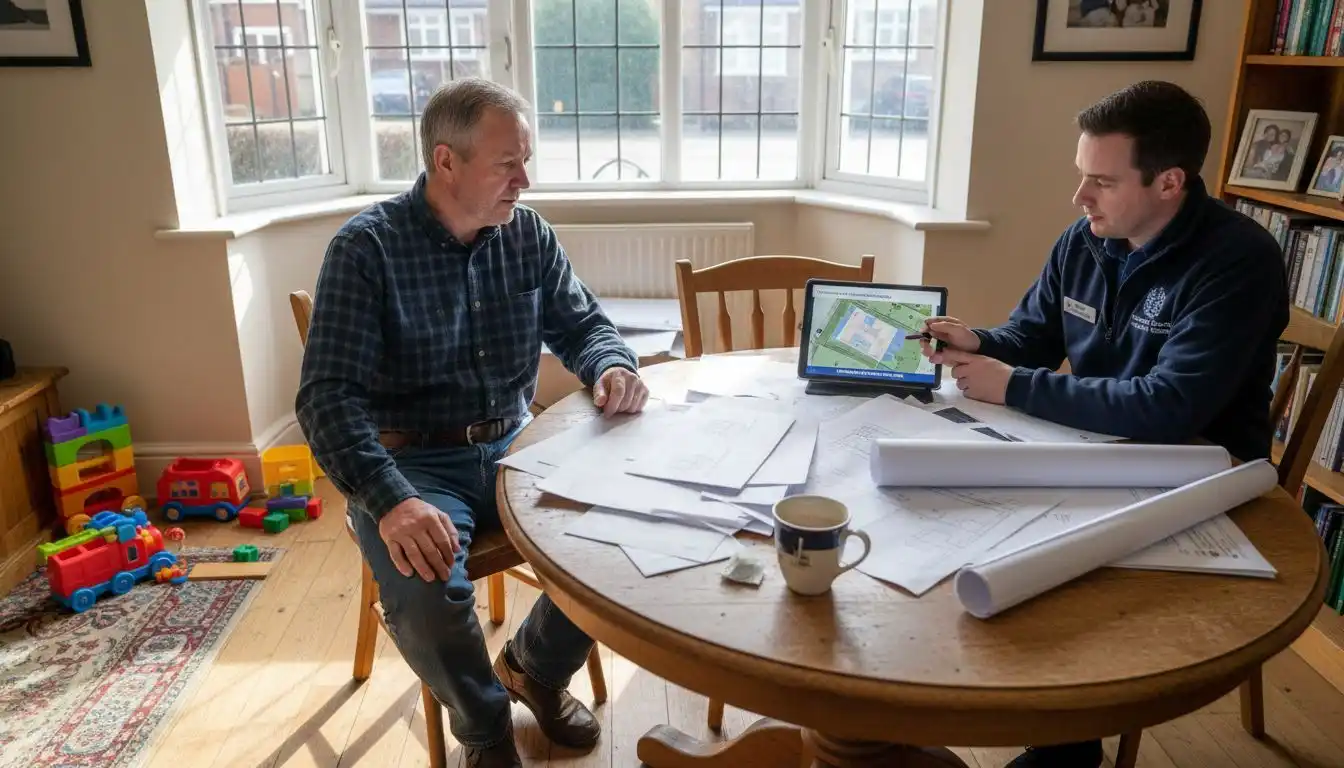
Building regulations approval represents a separate but equally important aspect of home extensions. These standards ensure that all construction work meets stringent health, safety, energy efficiency, and accessibility requirements. Homeowners must submit detailed technical drawings and documentation to local building control bodies, who will conduct thorough inspections throughout the construction process. Non-compliance can result in substantial consequences, including potential fines, mandatory remedial work, and significant challenges when attempting to sell the property in the future.
Pro tip: Consult with a local planning officer or experienced architectural professional early in your project to clarify your specific permitted development rights and building regulation requirements.
This table contrasts permitted development rights with building regulations standards for UK home extensions:
| Aspect | Permitted Development Rights | Building Regulations Standards |
|---|---|---|
| Main Focus | What can be built without permission | How construction must be completed |
| Approval Needed | Sometimes required, often not | Always required for safety/compliance |
| Assessed By | Local planning authority | Building control officer |
| Typical Emphasis | Location, size, appearance | Structure, safety, accessibility |
Common Mistakes When Preparing Drawings
Home extension technical drawings are intricate documents where even minor errors can lead to significant project complications. Technical drawing mistakes frequently stem from inadequate attention to detail, potentially causing costly misunderstandings between homeowners, architects, and construction teams. The most prevalent errors involve incomplete representations, imprecise measurements, and insufficient visual communication of design intentions.
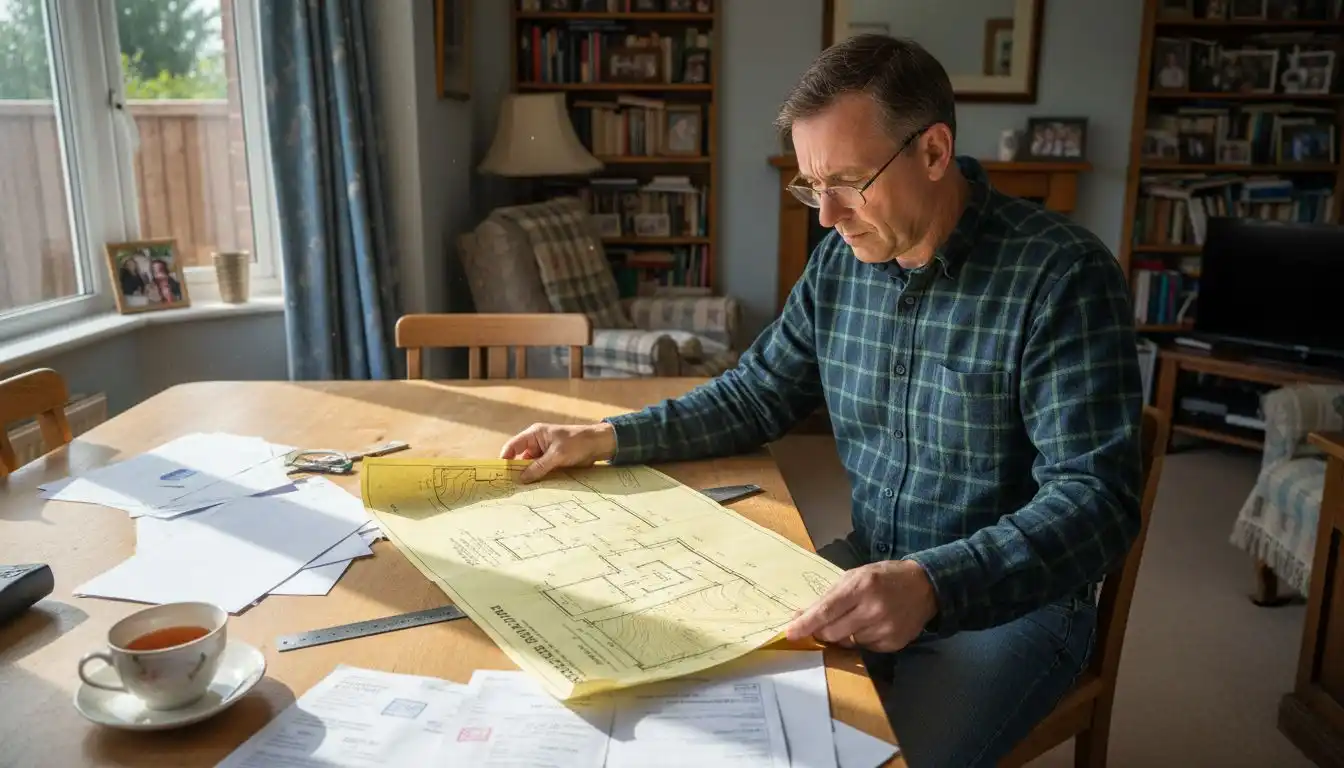
One critical area of potential mistakes involves scaling and dimensioning. Homeowners and inexperienced designers often fail to provide accurate, consistent measurements across different drawing views. This can result in structural miscalculations, incorrect material estimations, and potential conflicts during the construction phase. Drawing standards emphasise the importance of clear, precise dimensioning that allows contractors to understand exact spatial requirements without ambiguity.
Another significant pitfall is neglecting to include multiple drawing perspectives. Professional technical drawings should incorporate orthographic projections, isometric views, and detailed cross-sections that comprehensively illustrate the proposed extension. Omitting critical views can lead to misinterpretations about structural connections, material interfaces, and spatial relationships. Additionally, failing to document design revisions or maintain a clear version control process can create confusion and potential legal complications during the home extension project.
Pro tip: Invest in professional drawing review services or request multiple independent checks of your technical drawings to identify and rectify potential mistakes before submitting to building control.
Simplify Your Technical Drawings for Home Extensions with Expert Support
Navigating the complexities of technical drawings for UK home extensions can be overwhelming. Precise measurements, adherence to building regulations, and producing multiple detailed views demand expertise to avoid costly mistakes. If you want to ensure your project meets planning permissions and building control standards without confusion or delay, professional help is essential.

Discover how Plan My Extension eases this challenge by offering fixed-price, fully remote architectural drawings tailored precisely for home extensions. From site plans to cross-sections, their expert team crafts clear, compliant technical drawings that capture every essential detail to help you pass approvals swiftly. Get started today with a simple online process designed to save you time and reduce stress. Take control of your home extension journey now by visiting Plan My Extension and accessing trusted architectural services that put your vision and peace of mind first.
Frequently Asked Questions
What are technical drawings for home extensions?
Technical drawings are detailed graphical representations that provide essential guidelines for construction projects, illustrating every structural detail, dimension, and specification necessary to transform design concepts into real buildings.
What types of technical drawings are required for home extensions?
Key technical drawings include site plans, floor plans, elevation drawings, and cross-sectional drawings, each serving to communicate specific aspects of the extension and ensuring compliance with building regulations.
How do technical drawings function in the construction process?
Technical drawings serve as critical communication tools throughout the construction process, guiding builders, facilitating inspections, and providing necessary references for obtaining permissions and ensuring compliance with regulations.
What common mistakes should be avoided when preparing technical drawings?
Common mistakes include inaccurate scaling and dimensioning, failing to include multiple perspectives, and not documenting design revisions. Such errors can lead to misinterpretations and complications during the construction phase.