Skip to content


Most British homeowners are surprised to learn that over 80 percent of extension proposals need precise planning drawings before they can even start building. Trying to decode all the paperwork and technical details can leave anyone overwhelmed, especially for first-time renovators. This guide will break down what planning drawings actually involve and reveal how affordable remote architectural services can help British families simplify approvals while linking them directly to trusted local builders.
Table of Contents
- What Are Planning Drawings for Extensions?
- Types of Planning Drawings and Key Differences
- Legal Requirements and Approval Processes
- Costs, Timelines, and Choosing Providers
- Common Pitfalls and How to Avoid Them
Key Takeaways
| Point | Details |
| Planning Drawings are Essential | These documents provide critical visual representations of proposed extensions, helping local authorities assess compliance with regulations. |
| Types of Drawings Vary in Detail | Concept, outline, and detailed technical drawings serve different purposes, with varying levels of complexity. |
| Understanding Legal Requirements is Crucial | Homeowners must navigate planning permissions and development consents to ensure compliance with building standards. |
| Thorough Planning Prevents Common Pitfalls | Conducting site surveys and realistic budgeting can help avoid costly design changes and project delays. |
What Are Planning Drawings for Extensions?
Planning drawings are essential technical documents that provide visual representations of proposed home extension projects to local authorities in the United Kingdom. These detailed architectural illustrations serve as critical communication tools that help planning departments assess extension proposals before granting official permissions.
Typically, planning drawings include precise measurements, design specifications, and comprehensive site layouts that demonstrate how the proposed extension will integrate with the existing property. These documents must comprehensively detail the external appearance, scale, and proposed construction methods. They help local planners understand the potential visual and structural impact on the surrounding neighbourhood, ensuring that any new extension meets strict regulatory standards and maintains the aesthetic character of the area.
The complexity of planning drawings varies depending on the specific extension project. For smaller modifications within permitted development rights, the drawings might be relatively straightforward. However, for more substantial extensions that require full planning permission, the drawings must provide incredibly detailed information, including floor plans, elevations, cross-sections, and contextual site maps. These documents are not merely artistic impressions but legal technical drawings that must accurately represent the proposed construction.
Expert Tip: Always invest in professionally drafted planning drawings from an experienced architectural service to maximise your chances of gaining planning approval on the first submission.
Types of Planning Drawings and Key Differences
Home extension projects typically require multiple types of planning drawings, each serving a unique purpose in the architectural and regulatory process. These drawings range from preliminary concept sketches to detailed technical illustrations that provide comprehensive information about the proposed construction. Homeowners looking to navigate the extension process will often need to prepare specific planning packages to meet local authority requirements.
The primary categories of planning drawings include concept drawings, outline proposals, and detailed technical drawings. Concept drawings are initial visual representations that show the basic design and spatial arrangement of the proposed extension. These typically include simple floor plans and basic exterior views, helping homeowners and architects explore initial design possibilities. Outline proposals provide more detailed information, including precise measurements, proposed materials, and how the extension will integrate with the existing property structure.
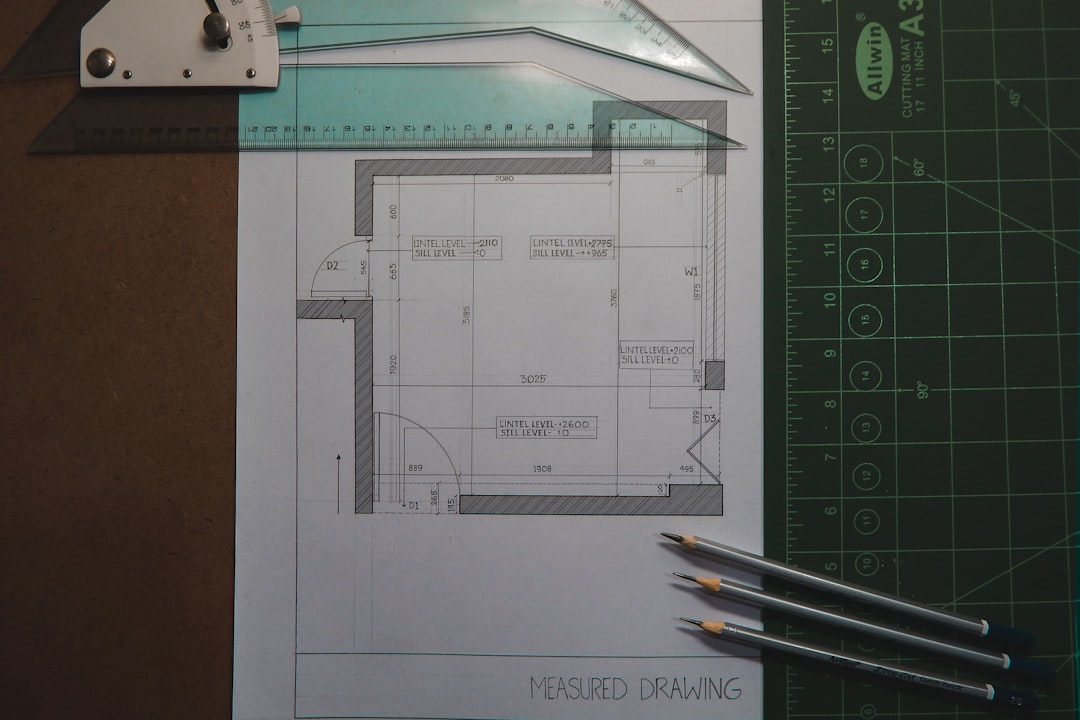
Detailed technical drawings represent the most comprehensive type of planning documentation. These highly precise illustrations include multiple layers of technical information such as exact architectural measurements, structural details, cross-sections, and specific construction specifications. For substantial extensions requiring full planning permission, these drawings must demonstrate compliance with local building regulations, zoning restrictions, and neighbourhood design guidelines. They typically include intricate floor plans, roof layouts, elevation drawings, and contextual site maps that provide planners with a complete understanding of the proposed construction project.

Here is a summary comparing key types of planning drawings for home extensions:
| Drawing Type | Level of Detail | Main Use Case |
| Concept Drawings | Basic layouts | Exploring initial design ideas |
| Outline Proposals | Moderate detail | Defining measurements and materials |
| Detailed Technical Drawings | Highly specific | Securing planning and building approval |
Pro Tip: Invest in professional architectural services to ensure your planning drawings are accurate, comprehensive, and designed to maximise the likelihood of gaining planning approval.
Legal Requirements and Approval Processes
UK home extension projects are governed by complex legal frameworks that require homeowners to navigate multiple regulatory requirements. The primary legal considerations involve obtaining the necessary planning permissions and development consents, which are essential for ensuring your extension meets all local and national building standards.
Understanding permitted development rights is crucial for homeowners considering extensions. These rights allow certain types of home improvements without full planning permission, though strict conditions apply. The specific limitations depend on factors such as the property’s location, size of the proposed extension, and proximity to boundaries. For instance, some single-storey rear extensions might be permissible without formal planning approval, provided they meet precise height, length, and coverage restrictions.
The formal approval process typically involves two distinct but interconnected legal requirements. First, homeowners must secure planning permission from their local authority, which assesses the extension’s impact on the neighbourhood’s character and surrounding properties. Second, a separate building regulations approval is required to ensure the technical design and construction meet safety, accessibility, and structural integrity standards. These two approvals are independent processes, meaning obtaining planning permission does not automatically guarantee building regulations consent.
Pro Tip: Consult with a local planning expert or professional architectural service early in your project to understand the specific legal requirements for your property and avoid potential costly delays or rejections.
Costs, Timelines, and Choosing Providers
Home extension projects involve significant financial and time investments, with costs and timelines varying dramatically based on project complexity, chosen provider, and specific extension requirements. Homeowners should anticipate comprehensive planning that goes well beyond initial design considerations, carefully evaluating technical package options to balance budget constraints with quality expectations.
The financial landscape of home extensions typically breaks down into several key cost categories. Design and planning costs often range between £1,500 to £5,000 depending on the project’s intricacy and professional service selected. Construction expenses represent the most substantial investment, potentially spanning £1,500 to £2,500 per square metre for standard single-storey extensions. Additional expenses include potential structural modifications, utility adjustments, interior finishing, and unforeseen complications that can quickly escalate overall project expenditure.
Choosing the right architectural and construction providers requires thorough due diligence. Homeowners should request detailed portfolios, verify professional credentials, and seek multiple quotes to ensure competitive pricing and quality assurance. Critical selection criteria include previous extension experience, local authority familiarity, transparent pricing structures, realistic project timelines, and proven track records of successful residential extension projects. Recommended steps include checking professional accreditations, reviewing client testimonials, and conducting comprehensive initial consultations to assess provider compatibility.
Pro Tip: Always allocate a contingency budget of 10-15% above your initial project estimate to manage unexpected expenses and potential design modifications during the extension process.
Common Pitfalls and How to Avoid Them
Home extension projects are fraught with potential complications that can derail even the most meticulously planned renovations. Homeowners often underestimate the complexity of navigating planning permission processes, which can lead to costly delays and unexpected regulatory challenges. Understanding these common pitfalls is crucial for ensuring a smooth and successful extension project.
One of the most significant challenges homeowners encounter is inadequate initial planning. Many individuals fail to conduct comprehensive site surveys, overlooking critical factors such as structural constraints, utility connections, and potential building regulation limitations. This oversight can result in substantial design revisions, budget overruns, and potential legal complications. Common mistakes include miscalculating available space, underestimating structural modifications required, and failing to consider the long-term impact of the extension on the property’s overall functionality and value.
Another critical pitfall involves budgetary miscalculations. Homeowners frequently underestimate the total project costs, neglecting to account for unexpected expenses, potential structural challenges, and additional professional fees. Realistic budgeting requires a comprehensive approach that includes contingency funds, potential design modifications, and additional costs for specialist services such as structural engineering, architectural design, and potential legal consultations. Successful extension projects demand a holistic financial strategy that anticipates and manages potential financial risks throughout the entire development process.
The following table highlights common pitfalls in extension projects and strategies to prevent them:
| Pitfall | Risk Incurred | Prevention Strategy |
| Inadequate Initial Planning | Costly design changes | Conduct thorough site surveys early |
| Budgetary Miscalculations | Project overspending | Include comprehensive contingencies |
| Ignoring Legal Requirements | Delays or legal issues | Consult planning and building experts |
Pro Tip: Create a comprehensive project spreadsheet that includes not just estimated costs, but potential contingencies, professional fees, and a 15-20% buffer for unexpected expenses to maintain financial control throughout your extension project.
Simplify Your Extension Planning with Expert Support
Planning drawings are a crucial step that many homeowners find overwhelming due to complex legal requirements and technical details. If you want to avoid costly delays, design errors, and budgeting pitfalls discussed in the article “Planning Drawings Explained: Navigating UK Extensions,” then expert architectural services can make all the difference. Understanding different planning drawing types and submitting accurate documents is essential for a smooth planning permission process.
At Plan My Extension, we specialise in providing fixed-price, fully remote architectural planning drawings tailored to your project stage. Whether you need basic planning permission drawings or detailed technical designs for building control, our straightforward online process helps you move forward with confidence. Our service reduces stress by handling your planning package professionally and efficiently, allowing you to focus on creating the perfect home extension.

Take the next step today and turn your extension plans into reality. Visit Plan My Extension now to explore planning permission drawings and technical package services. Access transparent pricing, quick turnaround times, and trusted local builder connections all in one place.
Frequently Asked Questions
What are planning drawings for home extensions?
Planning drawings are detailed technical documents that visually represent proposed home extension projects. They are submitted to local authorities to assess the feasibility and compliance of extension proposals with local regulations.
What types of planning drawings are needed for extensions?
Home extension projects typically require concept drawings, outline proposals, and detailed technical drawings. Each type serves a different purpose, from initial design ideas to comprehensive technical specifications needed for approval.
What is the approval process for obtaining planning permission for an extension?
Homeowners must secure planning permission from their local authority and obtain building regulations approval. These are two separate processes that ensure compliance with local and national building standards.
How much do planning drawings for extensions typically cost?
Design and planning costs for home extensions usually range from £1,500 to £5,000, depending on the complexity of the project. It’s essential to consider all potential expenses, including construction costs and professional fees.