Skip to content


Over half of British homeowners considering an extension are unsure about the correct process for obtaining planning permission. Planning a home extension in the United Kingdom involves complex paperwork and local regulations that can quickly become overwhelming, especially when budgets are tight. This guide gives you practical steps for understanding your site’s unique needs, choosing the right architectural drawing package, and preparing everything needed to secure smooth approval for your British extension project.
Table of Contents
- Step 1: Assess Your Extension Requirements And Site Details
- Step 2: Gather Essential Documents And Property Measurements
- Step 3: Select The Right Architectural Drawing Package
- Step 4: Review And Refine Your Architectural Drawings
- Step 5: Submit Drawings For Planning Permission Approval
Quick Summary
| Key Point | Explanation |
|---|---|
| 1. Assess site details thoroughly | Measure space, identify boundaries, and evaluate planning permissions to inform your extension’s design and feasibility. |
| 2. Gather essential property documents | Collect property deeds, boundary plans, and measurement details to support your planning application and ensure accuracy. |
| 3. Choose the right architectural package | Select an architectural drawing package based on project complexity, ensuring it meets local authority requirements for approvals. |
| 4. Review drawings diligently | Conduct a detailed review of architectural plans for compliance and make necessary adjustments before submission for planning permission. |
| 5. Prepare a complete application package | Assemble all required documents and ensure accuracy; maintain communication with the planning officer during the review process. |
Step 1: Assess your extension requirements and site details
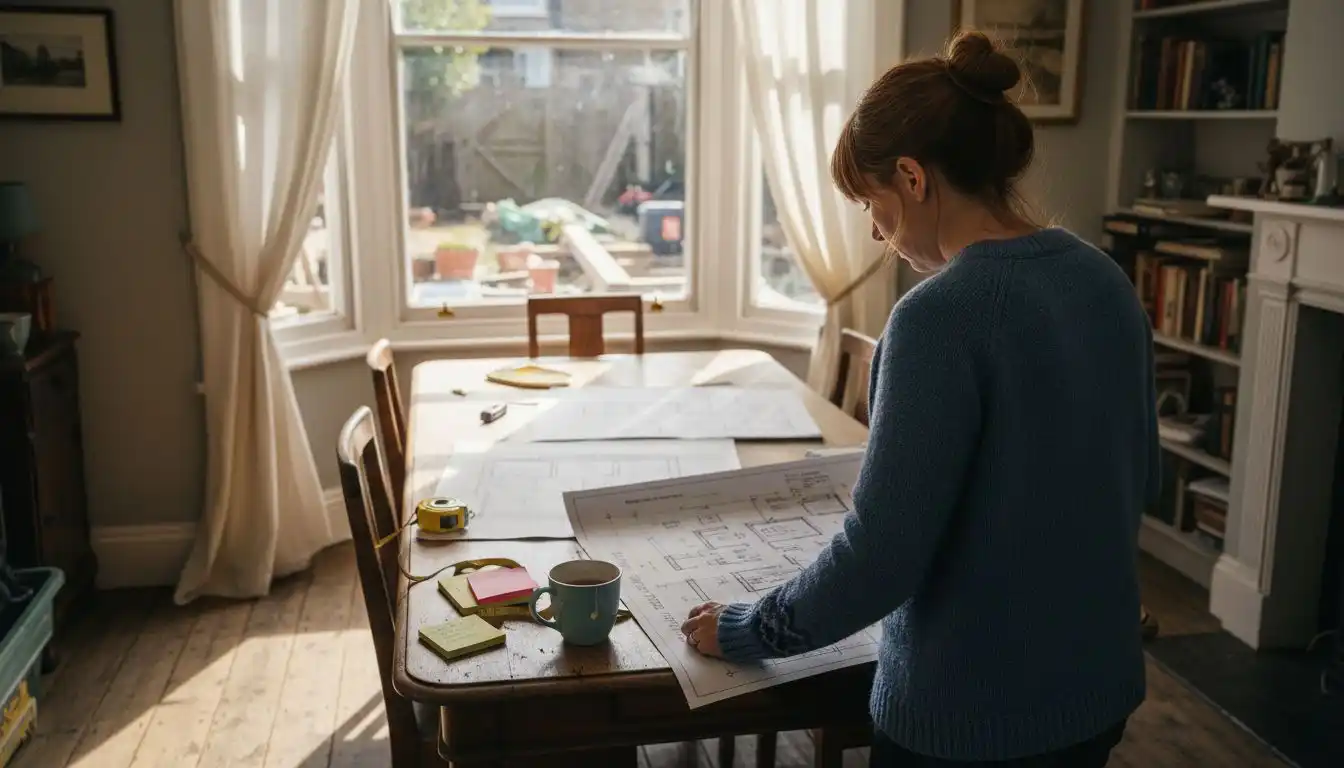
Before diving into architectural drawings for your home extension, you need a comprehensive understanding of your project’s specific requirements. This initial assessment helps determine the feasibility, potential constraints, and design parameters for your planned extension. Understanding your site’s unique characteristics is crucial for creating accurate architectural drawings that comply with local regulations and suit your property’s specific layout.
Begin by thoroughly examining your property’s existing conditions. You’ll want to measure available space, identify property boundaries, and assess potential planning permission requirements. Consider factors like garden size, proximity to neighbouring properties, and any potential site restrictions that might impact your extension design. Some key details to document include precise property measurements, current building footprint, orientation, existing structural elements, drainage systems, and any potential environmental or heritage constraints.
Take time to review your local authority’s specific guidelines and restrictions. Different regions have varying regulations regarding extension size, height, materials, and placement. Your architectural drawings must demonstrate compliance with these local planning conditions, which can vary significantly between conservation areas, listed buildings, and standard residential zones. Consulting your local planning department early in the process can save considerable time and prevent potential redesign challenges later.
Expert Tip: Create a detailed site survey before starting any design work to ensure you have accurate, comprehensive information about your property’s exact specifications and potential limitations.
Here is a summary of critical site factors to assess before designing your extension:
| Factor | Importance for Design | Typical Impact on Project |
|---|---|---|
| Property boundaries | Determines extension limits | Affects legal compliance |
| Existing structures | Influences layout options | May require structural tweaks |
| Drainage systems | Guides placement of extension | Impacts feasibility |
| Environmental constraints | Shapes design requirements | May create additional costs |
| Heritage considerations | May restrict modifications | Requires specialist approval |
Step 2: Gather essential documents and property measurements
Collecting the right documentation is a critical first step in preparing for your home extension project. Your architectural drawings will depend entirely on having accurate and comprehensive information about your property’s existing conditions and legal status. This stage involves assembling a portfolio of essential documents that will support your extension planning and potential planning permission application.
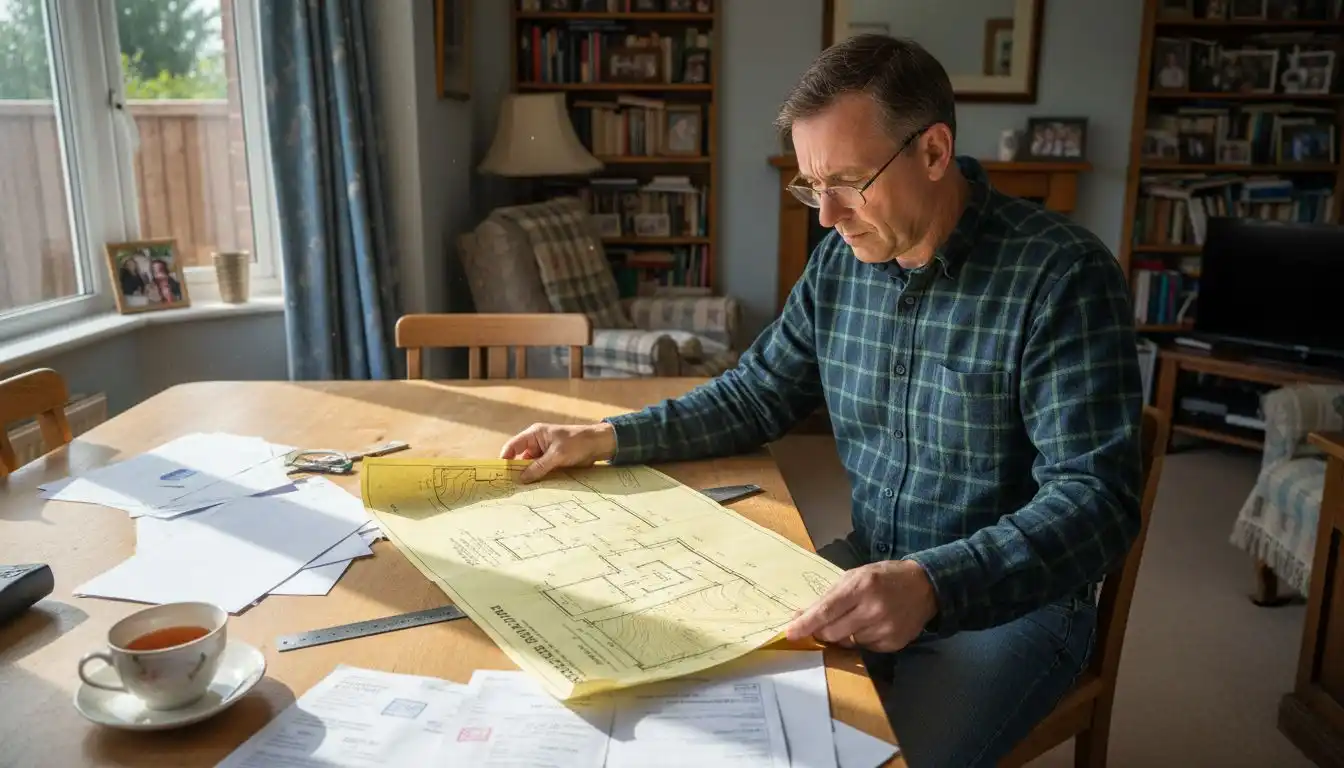
Start by collecting accurate site documentation that provides a comprehensive overview of your property. Key documents to gather include your most recent land registry title plan, which confirms property boundaries and ownership details, current property deeds, and any previous planning consents or building regulation approvals. You will need precise measurements of your existing property footprint, including external wall lengths, building height, and the dimensions of your garden or potential extension area. Consider creating a scaled site plan that shows existing structures, neighbouring buildings, and any significant landscape features that might impact your extension design.

Ensure you have digital or physical copies of additional supporting documents such as recent property survey reports, drainage maps, and utility service plans. These will help architects understand potential underground constraints or service line locations that could affect your extension design. Pay special attention to identifying any potential legal restrictions or planning constraints specific to your property type or local area. If your home is located in a conservation area or is a listed building, you may require additional specialist documentation and approvals.
Expert Tip: Invest in a professional measured survey to ensure you have the most accurate and comprehensive property documentation possible.
Step 3: Select the right architectural drawing package
Choosing the appropriate architectural drawing package is crucial for successfully navigating your home extension project. Your selection will determine how smoothly you progress through planning permission and building regulation approvals, directly impacting your project’s timeline and potential success.
Understand the specific requirements for architectural drawing submissions by carefully evaluating your extension’s complexity and local authority expectations. Basic packages typically include essential documents like site location plans, floor plans, elevations, and roof plans needed for initial planning applications. More comprehensive packages might incorporate detailed structural drawings, construction specifications, and technical sections that satisfy building regulation requirements. Consider the scope of your project carefully some local authorities demand more intricate documentation for extensions involving structural modifications, energy efficiency improvements, or properties in conservation areas.
Consult with architectural professionals who can guide you through package selection based on your specific circumstances. They can help you understand whether you need a planning package focusing on design approval, a technical package providing in depth construction details, or a full package covering both aspects. Your choice should balance comprehensive documentation with cost effectiveness, ensuring you provide sufficient information to secure approvals without unnecessary expenditure. Pay close attention to the specific requirements of your local planning authority, as documentation expectations can vary significantly between different regions and property types.
Expert Tip: Request a preliminary consultation with a professional to confirm exactly which drawing package best suits your specific extension project.
Below is a comparison of architectural drawing packages for home extensions:
| Package Type | Included Documentation | Best For |
|---|---|---|
| Basic Planning | Site, floor, elevation, roof plans | Standard designs, initial approval |
| Technical Construction | Structural, specification, sections | Complex extensions, regulation |
| Full Package | Planning and technical documentation | All-in-one projects, listed buildings |
Step 4: Review and refine your architectural drawings
Reviewing and refining your architectural drawings is a critical stage that can make or break your extension project. This process involves carefully examining every detail of your proposed design to ensure accuracy, compliance, and feasibility before submitting for official approval.
Begin by conducting a comprehensive technical design review of your architectural drawings, scrutinising each element for potential issues or improvements. Check that all measurements are precise and consistent, confirming they match your initial site survey and property specifications. Verify that the proposed extension meets local planning regulations, building codes, and any specific requirements for your property type. Pay close attention to details such as roof pitch, window placements, material specifications, and how the new structure integrates with your existing building. Look for potential structural challenges, ensure proper drainage considerations, and confirm that the design maximises natural light and space utilisation.
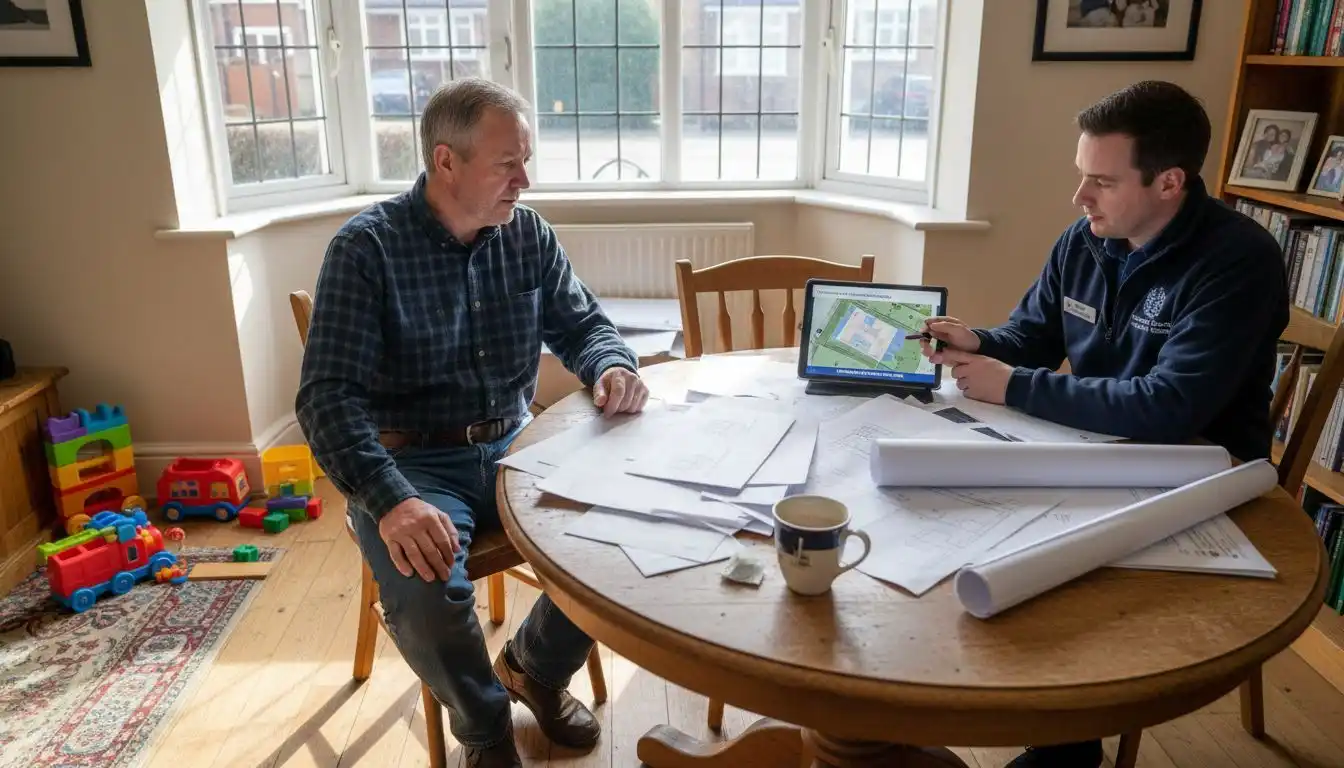
Seek professional feedback by having your drawings reviewed by an experienced architect or planning consultant. They can provide critical insights into potential design weaknesses, regulatory compliance issues, and opportunities for improvement that you might have overlooked. Consider running your drawings past a trusted builder who can offer practical construction perspectives. Be prepared to make multiple iterations of your design, understanding that refinement is a normal part of the architectural planning process. Each revision brings you closer to a design that is not only aesthetically pleasing but also structurally sound, cost effective, and aligned with your original vision.
Expert Tip: Create a detailed checklist of design requirements and methodically cross reference it against your architectural drawings to ensure nothing is missed.
Step 5: Submit drawings for planning permission approval
Submitting your architectural drawings for planning permission is the pivotal moment that transforms your extension project from concept to potential reality. This stage requires meticulous preparation and a strategic approach to navigate the local authority’s review process successfully.
Prepare a comprehensive application package that includes detailed planning documentation to support your extension proposal. Gather all necessary drawings including site location plans, floor plans, elevations, and any additional supporting documents such as design and access statements. Ensure every document is professionally presented, clearly annotated, and provides a comprehensive view of your proposed extension. Double check that all measurements are accurate and consistent across your submission, as any discrepancies can potentially delay or undermine your application.
Understand the specific submission process for your local planning authority. Most councils now prefer digital submissions through the Planning Portal, which allows you to track your application’s progress. Be prepared for a typical eight week determination period, during which the council will assess your proposal against local planning policies. This review may involve consultation with neighbours or require additional clarifications. Stay proactive by maintaining open communication with the planning officer, promptly responding to any queries or requests for additional information. Remember that the initial submission is just the beginning of a potentially iterative process that might require refinements or modifications to secure final approval.
Expert Tip: Create a digital and physical backup of your entire planning submission package to ensure you have a comprehensive record of all documents submitted.
Simplify Your Home Extension Journey with Expert Architectural Drawings
Extending your home is an exciting step but as the “Complete Guide to Architectural Drawings for Extensions” highlights, navigating complex planning requirements and producing precise technical drawings can be overwhelming. Key challenges include gathering accurate site measurements, selecting the right drawing package, and ensuring compliance with local planning authorities. Many homeowners struggle with understanding which documents are essential and how to refine architectural plans to gain timely approval.
At Plan My Extension, we understand these common pain points. Our fixed-price, fully remote architectural drawing service is designed to make this process straightforward and stress free. Whether you need simplified planning permission drawings, detailed technical designs for building control, or a comprehensive package tailored to projects in sensitive areas, we provide clear, professional support from start to finish. By leveraging our easy online setup and vetted local builder network, you can avoid costly delays and reduce uncertainty.
Ready to move from confusion to clarity in your extension project? Visit our homepage to explore how we can help you create compliant and fully detailed architectural drawings swiftly and affordably. Don’t wait to bring your home extension vision to life with expert guidance every step of the way.
Start your hassle-free extension planning today by visiting Plan My Extension and select the architectural drawing package that suits your specific needs.
Frequently Asked Questions
What essential documents do I need for architectural drawings for my extension?
To prepare for architectural drawings, you need documents such as the land registry title plan, current property deeds, and any previous planning consents. Gather these documents to ensure you have accurate details about your property’s boundaries and legal status.
How do I assess my site for a home extension?
Begin by evaluating your property’s existing conditions, including measuring available space and identifying property boundaries. Document key factors like existing structures, drainage systems, and any local planning restrictions to understand what is feasible for your extension design.
What factors should I consider when selecting an architectural drawing package?
Consider the complexity of your extension and the requirements of your local authority. Basic packages typically include essential documents like site plans and elevations, but for complex projects, you might need technical packages that cover detailed structural drawings.
How can I ensure my architectural drawings are compliant with local regulations?
Review your drawings carefully to verify that they meet local planning regulations and building codes. Conduct a technical design review, and seek feedback from an experienced architect or planning consultant for a thorough assessment, ensuring compliance before submission.
What is the process for submitting architectural drawings for planning permission?
Prepare a comprehensive application package with all required drawings and supporting documents, then submit it per your local council’s guidelines. After submission, expect an eight-week determination period during which you may need to respond to queries or provide additional information.
How can I refine my architectural drawings before submission?
Conduct a detailed review of your drawings, checking measurements and compliance with regulations. Collaborate with professionals for feedback, making necessary revisions to enhance your design’s accuracy and feasibility before the final submission.