Skip to content

Do I need planning permission for my extension, or could it be covered by permitted development?
It’s one of the first questions most homeowners ask — and the answer could save you time and money.
Getting Started
Permitted development rights allow many homeowners to carry out certain extensions or conversions without needing a Householder Application.
For example:
-
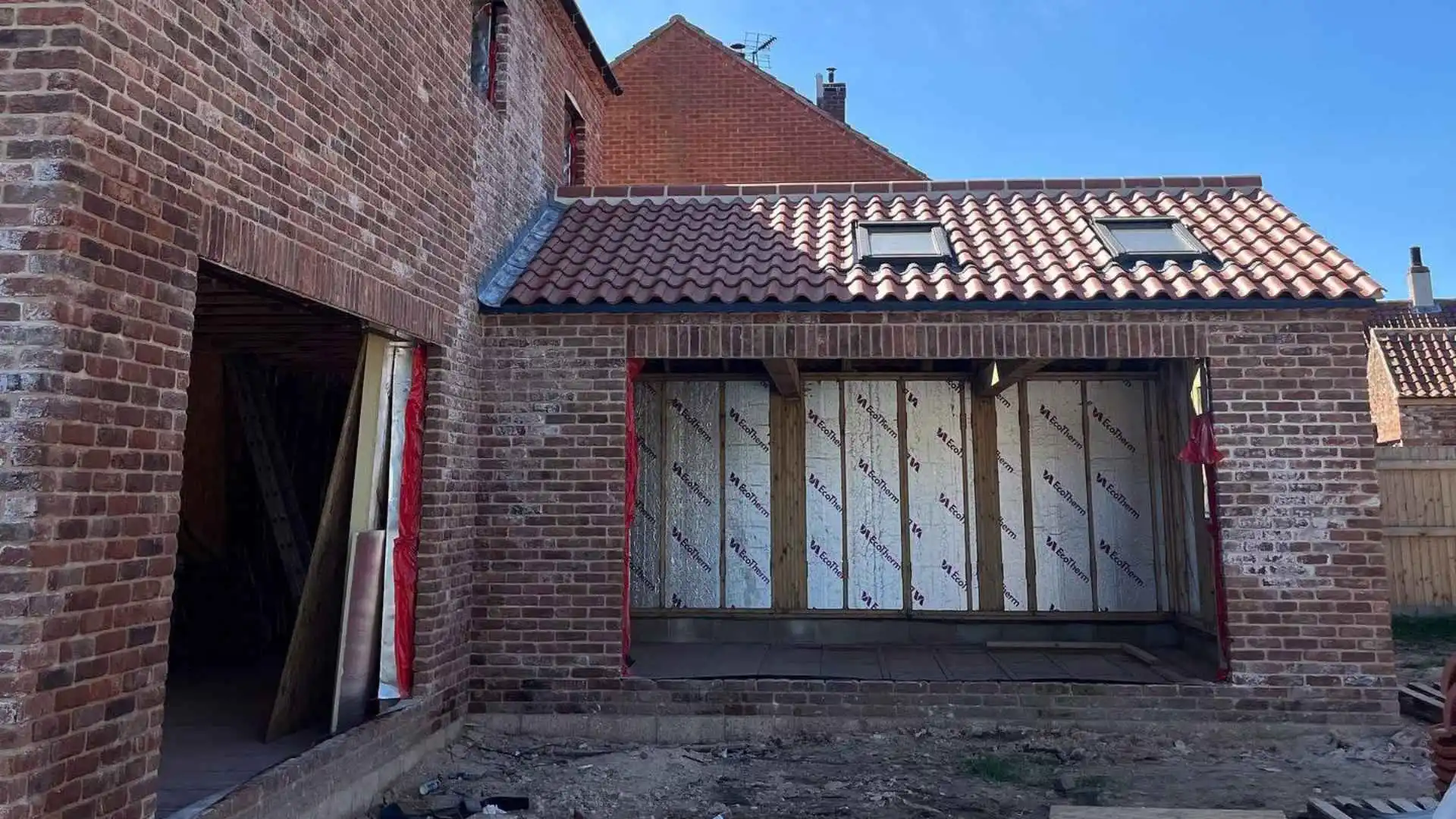
A detached home may be able to add a 4m deep single-storey rear extension.
-
A loft conversion could be possible within 40–50m³ of roof space, depending on the house type.
But not all homes qualify, and the rules are strict about height, depth, and location.
What are permitted development rights?
These are national planning rules that let straightforward home improvements go ahead without the need for a Householder Application.
This can save weeks of waiting and reduce fees — but only if your project meets the criteria exactly. If it doesn’t, then a Householder Application will be required.
Does every home qualify?
No. Your home may be excluded if…
-
It’s a flat or maisonette.
-
It’s a listed building.
-
You live in a protected area (conservation area, National Park, Area of Outstanding Natural Beauty, World Heritage Site).
-
The council has specifically removed permitted development rights for your property (common in newer estates and conversions).
-
The house has already been extended before, and the combined works would exceed the allowance.
In these cases, you’ll need a Householder Application — or in some situations, a full planning application.
Which projects can be built under permitted development?
Here are the most common types of extensions and alterations that can qualify if they stay within the rules:
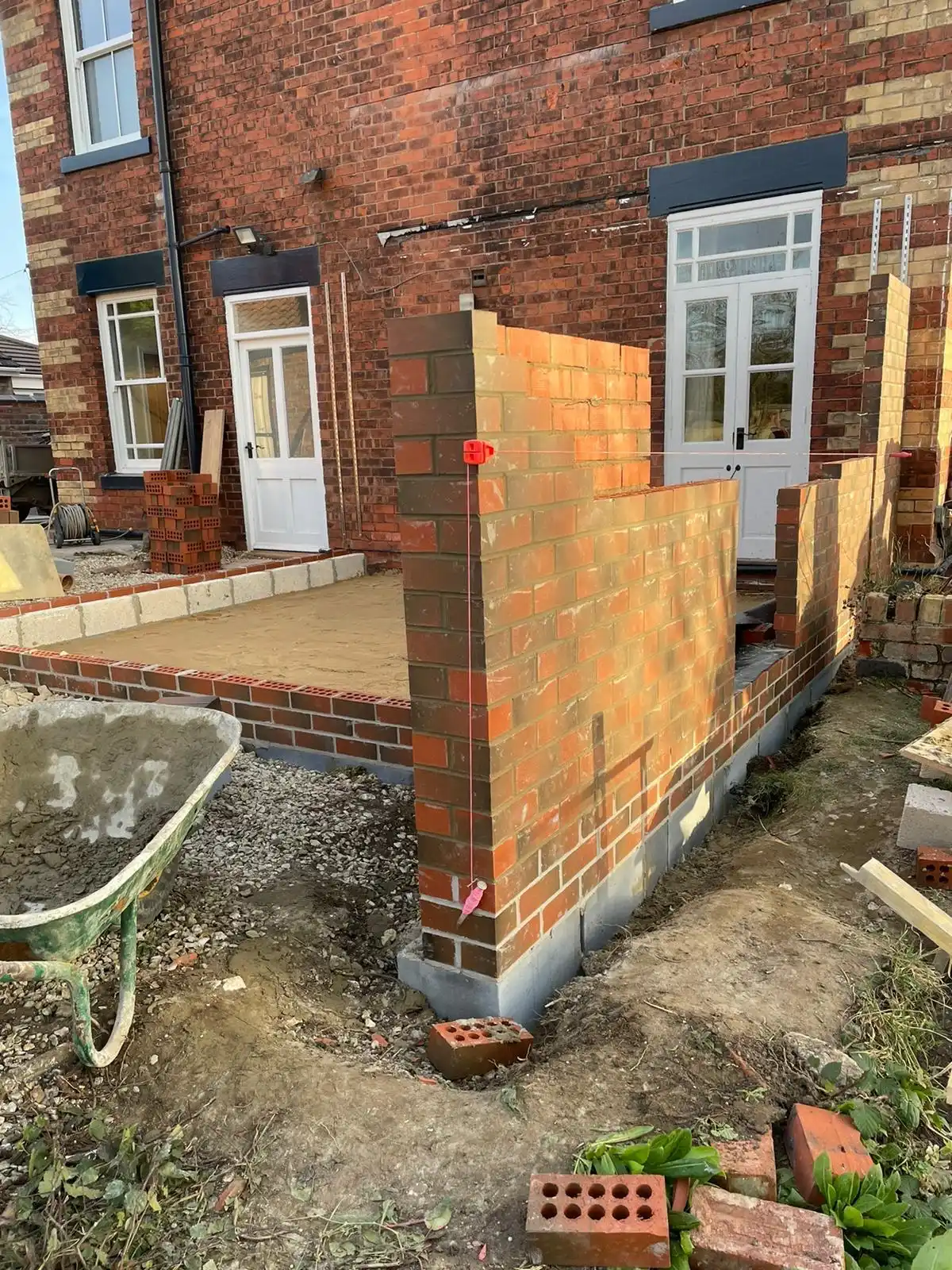
Single-storey rear extensions:
- Up to 4m deep (detached) or 3m deep (other houses).
- Overall height max 4m, or 3m if close to a boundary.
- Must use similar external materials.
- Cannot cover more than 50% of the land around the original house.
Loft conversions:
- Up to 40m³ (terraced) or 50m³ (semi-detached/detached).
- No raising of the roof or front-facing dormers.
- Side windows usually must be obscure-glazed and restricted in opening.
Garage conversions:
- Internal works only; no enlargement of the building.
- Materials must match the main house.
- Must remain part of the main dwelling (not a separate unit).
- Some estates have conditions preventing garage conversions.
Side extensions:
- To the side only (not facing a highway).
- Limited to half the width of the original house.
- Max height 4m, or 3m if near a boundary.
- Must use matching materials.
Two-storey rear extensions:
- Rear only, up to 3m deep.
- Must leave at least 7m of garden behind the house.
- No side-facing windows in walls or roof slopes.
- Cannot be taller than the existing house.
Outbuildings (garden offices, gyms, studios):
- Single-storey only.
- Max height 2.5m within 2m of a boundary, or up to 4m with pitched roof.
- Cannot cover more than 50% of the garden.
- Cannot be used as a self-contained dwelling.
Should you rely on permitted development?
Permitted development can be a quicker and cheaper route than a Householder Application, but it only works if you follow the rules exactly. Councils can enforce demolition if you build something that isn’t lawful.
The safest approach is to:
-
Check eligibility for your property.
-
Have drawings prepared that demonstrate compliance.
-
Apply for a Lawful Development Certificate to confirm your rights.
What is a Lawful Development Certificate?
A Lawful Development Certificate is formal confirmation from your council that your project is lawful under permitted development.
It’s not mandatory, but it’s strongly advised because it provides:
-
Proof of compliance if questioned later.
-
Reassurance to buyers and solicitors when you sell.
-
Protection against neighbour or council disputes.
The process is similar to submitting a Householder Application but usually quicker and less costly.
How Plan My Extension can help
Permitted development can feel like a maze of technical rules. At Plan My Extension, we:
-
Review your home and confirm whether permitted development applies.
-
Prepare the drawings you need to prove compliance.
-
Handle the Lawful Development Certificate application.
-
If your project doesn’t qualify, we’ll take care of the Householder Application instead.
Start today with a quick online quote — you’ll get your personalised cost instantly. Or book a call with our team, and we’ll walk you through the best route for your project.